In this story · 9 sections
- 1Banarasi saree (Varanasi, Uttar Pradesh)
- 2Kanjivaram saree (Kanchipuram, Tamil Nadu)
- 3Paithani saree (Paithan and Yeola, Maharashtra)
- 4Chanderi saree (Chanderi, Madhya Pradesh)
- 5Kota Doria saree (Kota, Rajasthan)
- 6Sambalpuri saree (Sambalpur and Bargarh, Odisha)
- 7Bandhani saree (Gujarat and Rajasthan)
- 8Patola saree (Patan, Gujarat)
- 9Tips for buying any saree
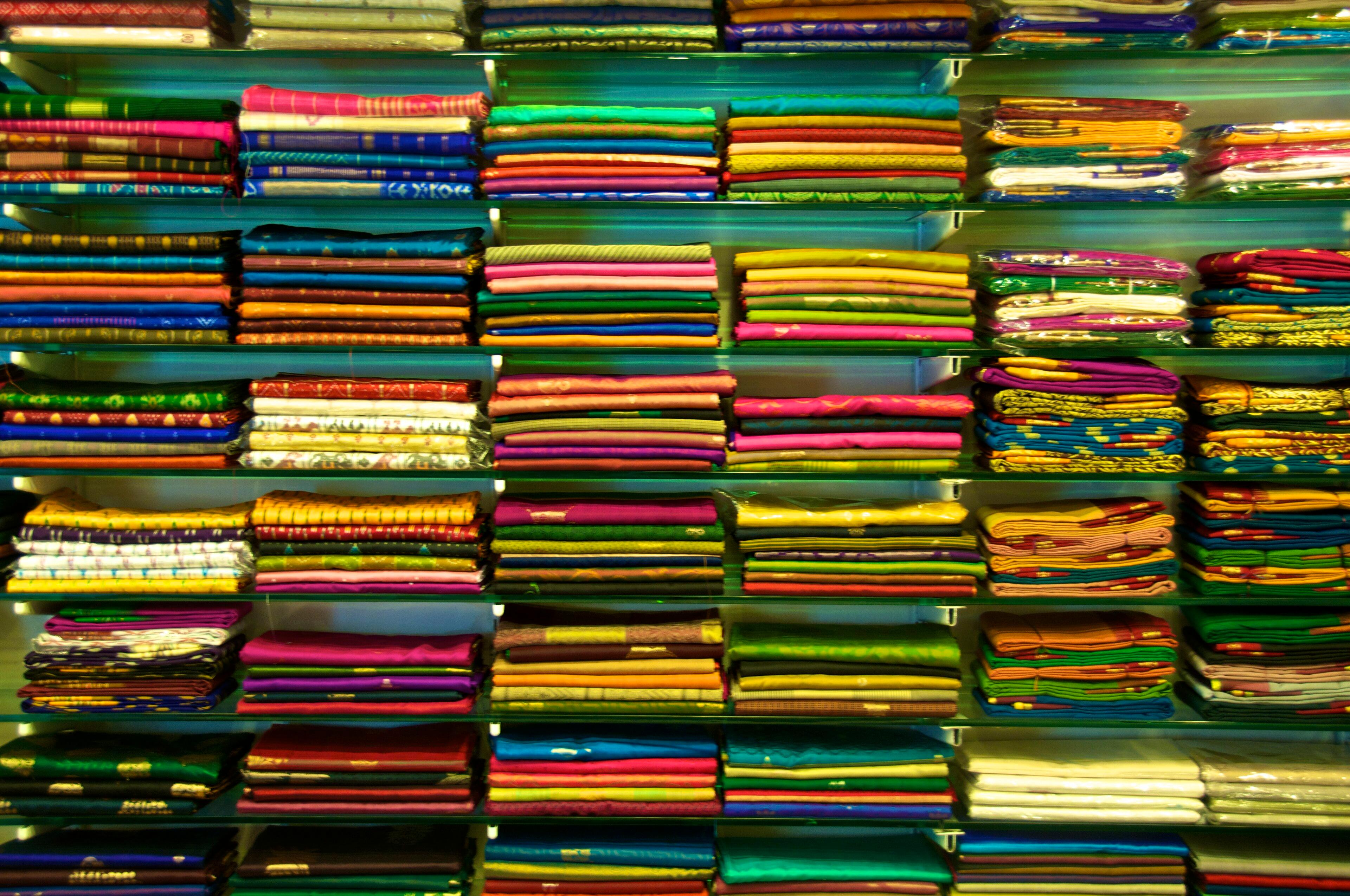
Every famous saree comes from a specific place. Its fibre, loom, designs and colours all come from there. Knowing where a saree is from tells you what to check when you buy it.
Banarasi saree (Varanasi, Uttar Pradesh)
Silk woven with gold and silver zari, in designs that came with the Mughals: paisleys, vines and lattice (jaal) patterns. Heavy and formal, it is the wedding saree of north India. Check the back: a hand-woven Banarasi shows loose zari threads between the designs. A power loom copy is often neat on the back.
Kanjivaram saree (Kanchipuram, Tamil Nadu)
Thick mulberry silk with a border and pallu in a different colour. Traditionally the border is woven separately and joined so tightly that you cannot find the join (this is called korvai). Designs include temple borders, checks, peacocks and mangoes. It is the heaviest silk saree and lasts the longest.
Paithani saree (Paithan and Yeola, Maharashtra)
Silk with a pallu woven like a tapestry, usually with peacocks, parrots or lotuses, on a plain body in a strong colour. The pallu looks the same on both sides. That is how you know it is real.
Chanderi saree (Chanderi, Madhya Pradesh)
Sheer and light, woven in silk, cotton or both, with small woven butis (dots) shaped like coins, flowers or peacocks. A summer saree that still looks dressy.
Kota Doria saree (Kota, Rajasthan)
A see-through cotton or silk-cotton with tiny square checks woven into it, called khats. Light enough for a Rajasthan summer.
Sambalpuri saree (Sambalpur and Bargarh, Odisha)
Ikat in cotton or silk, where the pattern is dyed into the threads before weaving. Shells, wheels and flowers on the border and pallu, with slightly blurred edges where the ikat spreads.
Bandhani saree (Gujarat and Rajasthan)
Tied and dyed by hand, with a tiny raised point at each dot. The gharchola of Gujarat, red with a gold grid, is the wedding version. Read our bandhani story to see how it is made.
Patola saree (Patan, Gujarat)
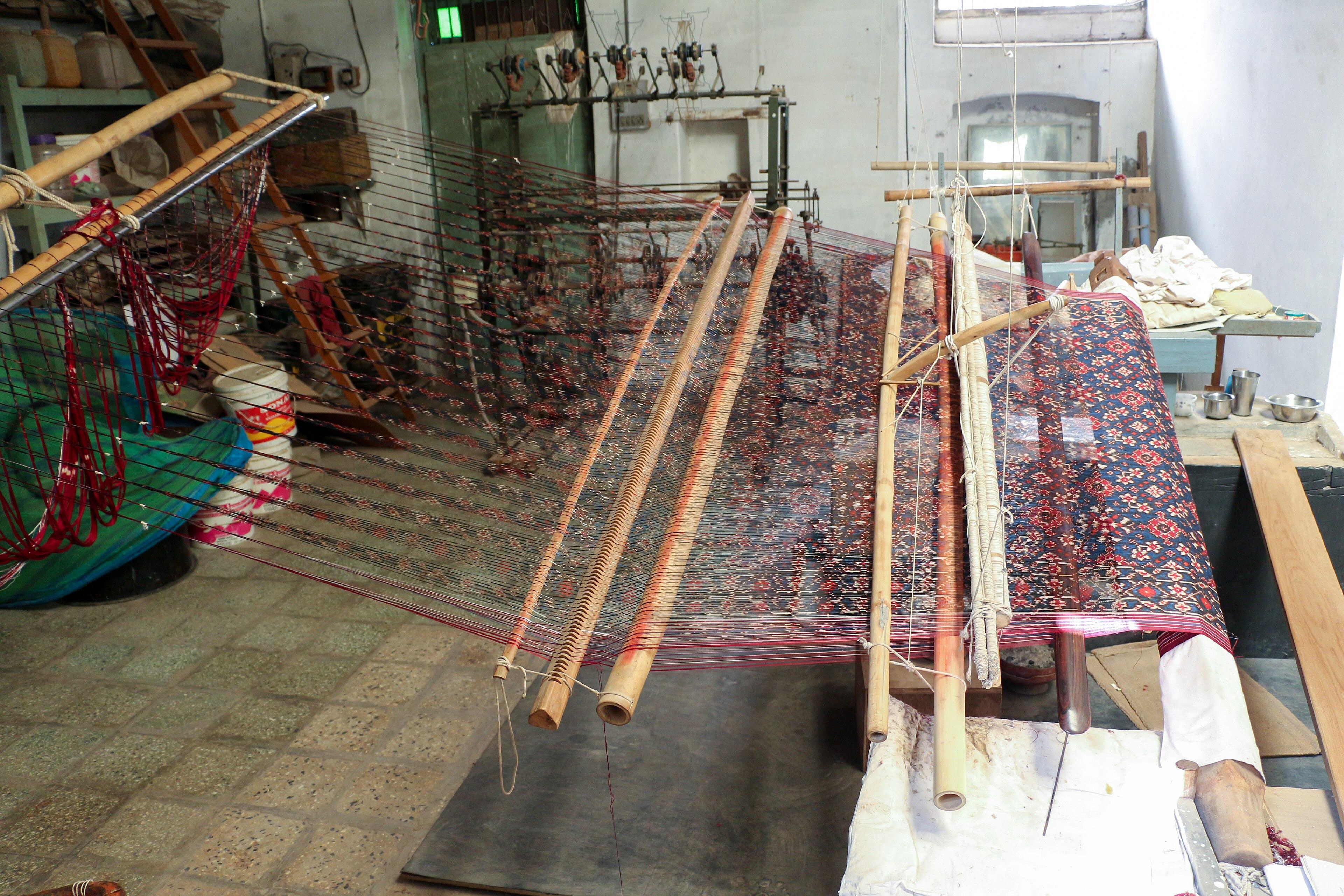
Double ikat silk that looks the same on both sides, woven only a few centimetres a day. The most expensive saree in India, and one that never fades. More in our patola story.
Tips for buying any saree
- Ask where it was woven, not just what it is called. Every one of these names is also copied on power looms.
- Look at the back. Hand weaving leaves small signs.
- A fall and a blouse are not included. We stitch both to your measurements.
Questions people ask
Which Indian saree is the most expensive?
The Patan patola, a double ikat silk from Gujarat that takes months to weave. A real one costs lakhs. Fine Banarasi and Kanjivaram sarees come next.
Which saree is best for summer?
Chanderi, Kota doria, mul cotton and jute-cotton. They are all light and let air through. Kanjivaram and Banarasi silks are for winter and weddings.
How do I know a saree is handloom?
Look at the back. Hand weaving leaves loose threads and small uneven spots. Power loom copies are neat and perfectly even on the back. Ask where it was woven, not just its name.
Comments
Be the first to comment on this story.