In this story · 14 sections
- 1Kankotri meaning
- 2Step 1: Select the kankotri design
- 3Step 2: Check the number of pages in the kankotri
- 4Step 3: Draft the kankotri wording in two languages
- 5Step 4: Family members check the wording and grammar
- 6Rasvai and dirghai: check the short and long vowels
- 7Step 5: Check the panchang, tithi and function timings
- 8Kankotri lekhan muhurat
- 9Step 6: Check the structure and format in 3–4 proofs
- 10Step 7: Kankotri printing time
- 11Kankotri price
- 12Kankotri printing in Ahmedabad
- 13Kankotri checklist
- 14Wedding outfits after the kankotri
A kankotri is the wedding card a Gujarati family sends to every relative and friend. Printing it takes about 2 to 4 days. Getting it right takes much longer: the design, the wording in two languages, the family's checks, the tithi and the timings all come first.
Here is the full kankotri printing process, step by step.
Kankotri meaning
Kankotri (કંકોત્રી) is the Gujarati word for a wedding invitation card. In Hindi it is usually called a shaadi card or vivah patrika, and in Marathi a lagna patrika. A kankotri lists every function of the wedding with its date, time and venue, and the names of the families inviting you.
Step 1: Select the kankotri design
Start with the look of the card. The printer will show you sample cards and a design catalogue. Choose:
- The size and shape of the card.
- The paper or board, and the finish (matte, glossy, textured).
- The colours and the main picture, often Lord Ganesh on the first page.
- An envelope, box or a plain card.
Hold the printed sample in your hand. A design looks different on a phone screen.
Step 2: Check the number of pages in the kankotri
Most kankotris have one main card and extra pages or inserts. Decide how many you need before the wording starts:
- One page for each function: for example mandap muhurat, pithi or haldi, mehndi, garba or sangeet, the wedding and the reception.
- Separate inserts if some guests are invited only to some functions.
- How many cards you need in total. Count families, not people, and keep extra cards for last-minute names.
The page count changes the price and the printing time, so fix it early.
Step 3: Draft the kankotri wording in two languages
Most families now print the wording in two languages:
- English, for friends, colleagues and guests from outside Gujarat.
- Gujarati or Hindi, for elders and relatives.
The wording usually has the invitation line, the names of the bride and groom, their parents and grandparents, the date and tithi, the timings of each function, the venue, and the names of the family members inviting the guests. Write it in the order the functions happen.
Ask the printer for the wording they used on similar cards, then change it for your family. Do not copy the names from an old card without checking each one.
Step 4: Family members check the wording and grammar
Send the draft to the family before anything is printed. Every family member should read the part about their side of the family. They will catch mistakes you miss:
- A wrong name, relation or title.
- A missing grandparent, uncle or aunt.
- Grammar mistakes in English, Gujarati or Hindi.
Rasvai and dirghai: check the short and long vowels
In Gujarati and Hindi, one small mark changes a word. The short and long vowel marks, called hrasva and dirgha (people often say rasvai and dirghai), are the most common mistake in a kankotri:
- Short i and long i: િ and ી in Gujarati, ि and ी in Hindi.
- Short u and long u: ુ and ૂ in Gujarati, ु and ू in Hindi.
Names are where this matters most. A name written with the wrong vowel mark is a different name, and elders notice. Read every name slowly, one at a time, and ask the person to check their own name if you are not sure.
Step 5: Check the panchang, tithi and function timings
The kankotri carries the date by the calendar and the tithi by the panchang. Check both with your family priest or a panchang before printing, and make sure they match.
Then check the time of every function. The timing is the most important line on the card:
- The wedding muhurat comes from the priest; print it exactly.
- Leave enough time between functions for guests to travel and for the family to get ready.
- Wedding functions often run late. Plan realistic timings, so the muhurat is not missed because an earlier function ran over.
- Check that the venue is free for the times you print.
Kankotri lekhan muhurat
Many families keep the custom of kankotri lekhan: the first card is written for Lord Ganesh or the family deity on an auspicious muhurat, before cards go to guests. Ask your priest for the kankotri lekhan muhurat when you fix the wedding dates, and get the first cards from the printer in time for it.
Step 6: Check the structure and format in 3–4 proofs
The printer sends a proof: a sample of the final card, as a PDF or a printout. Expect to check 3 to 4 proofs before the card is right. In each round check:
- The order of the pages and functions.
- Names, vowel marks and spellings in both languages.
- Dates, tithi, timings and venues.
- Phone numbers and addresses.
- Alignment, font size, and that nothing is cut off at the edges.
Approve the final proof in writing, on WhatsApp or email, only when everyone agrees. Whatever is on the approved proof is what gets printed.
Step 7: Kankotri printing time
After you approve the final proof, the printing begins. Most printers deliver the full kankotri order in about 2 to 4 days. Special finishes, boxes or very large orders can take longer, so ask the printer for a date when you order.
Then count the cards, check a few from every bundle, and start writing the guest names on the envelopes.
Kankotri price
The price depends on the design, the paper, the number of pages, any box or envelope, and how many cards you order. Ask two or three printers for a price on the same design and page count, and ask what the price includes: wording changes, proofs, envelopes and delivery.
Kankotri printing in Ahmedabad
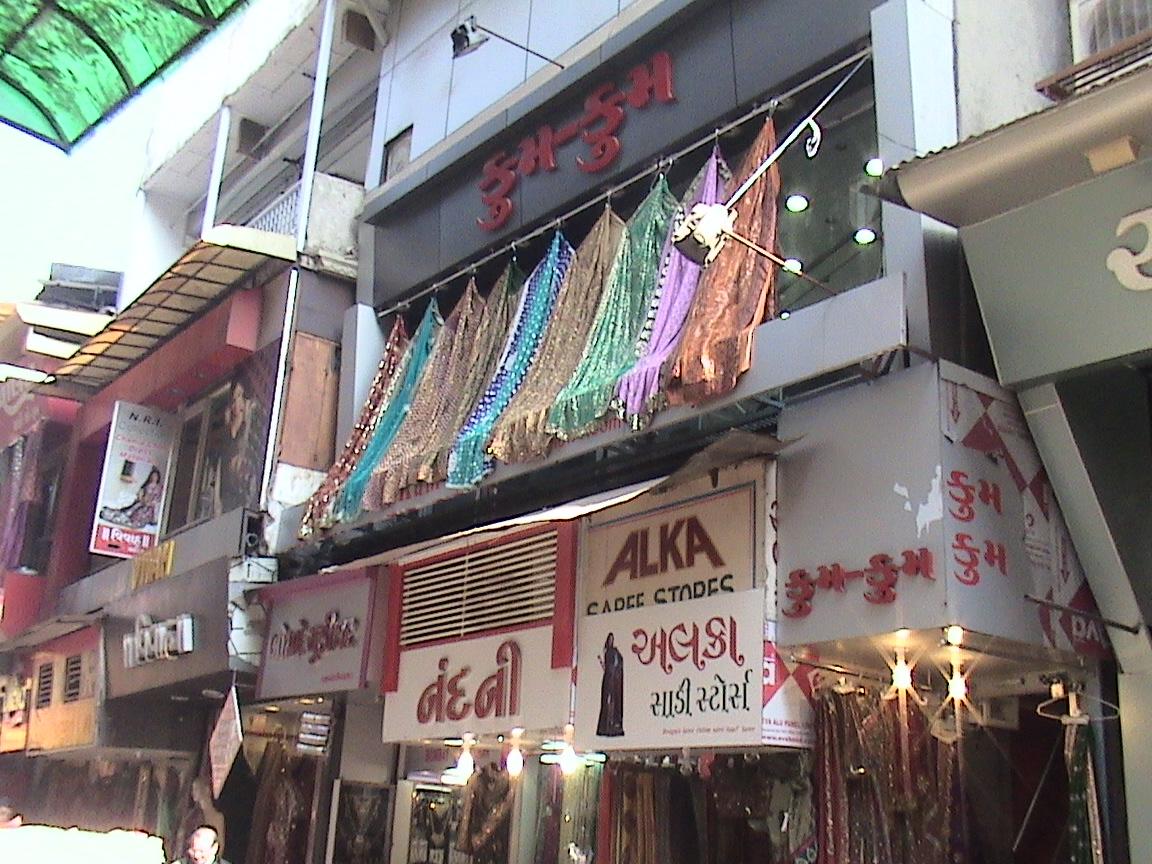
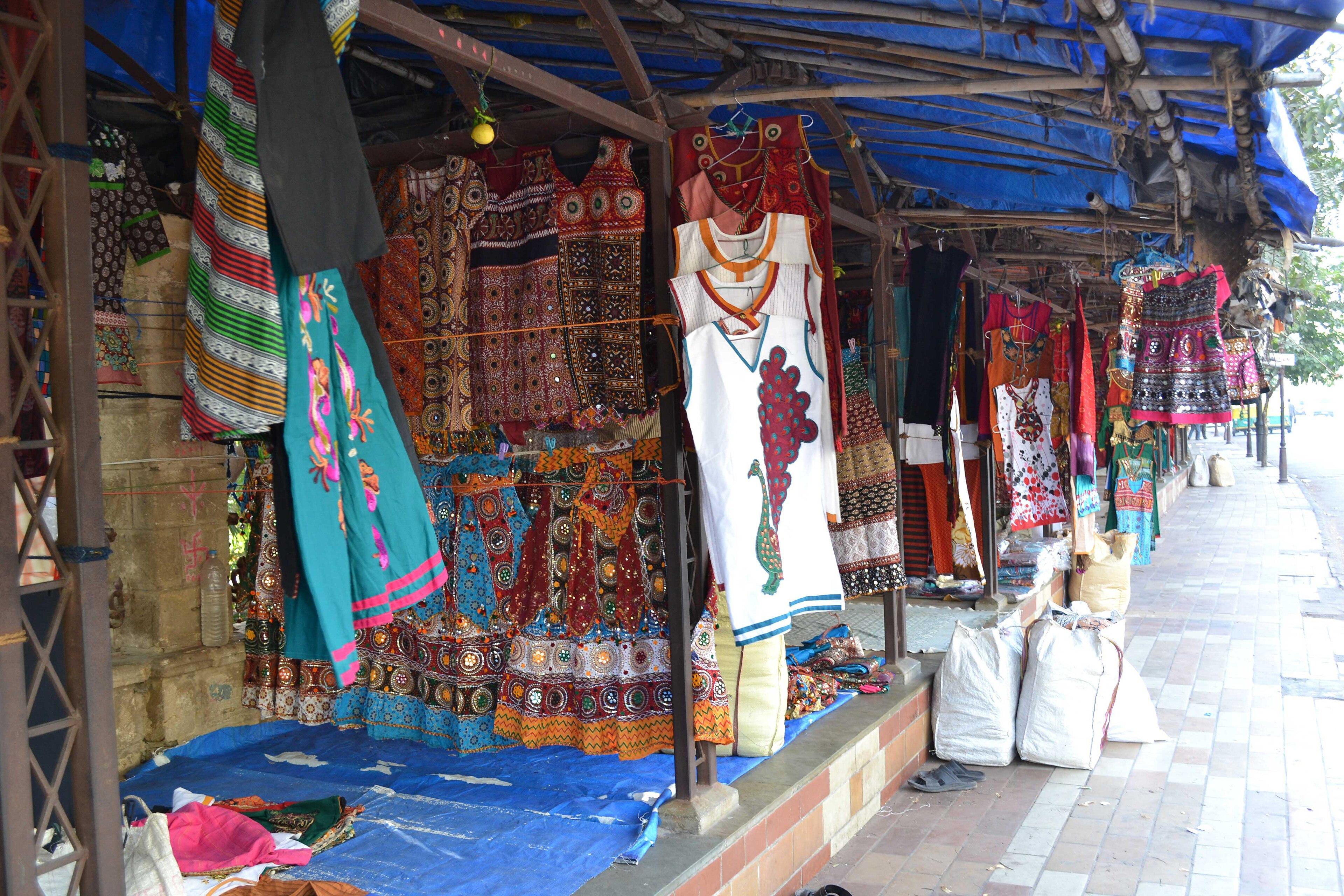
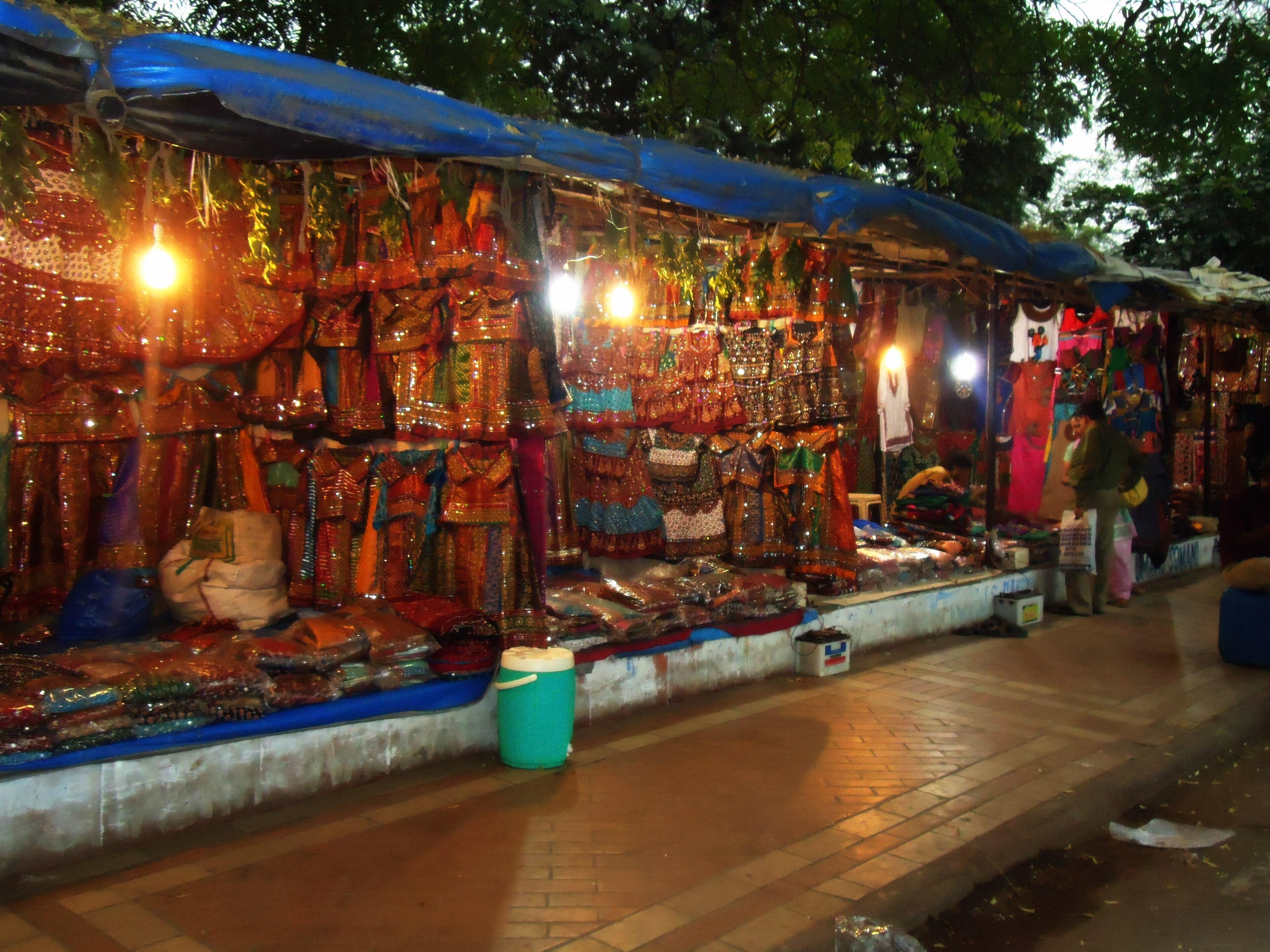
Many kankotri printers work in Ahmedabad's old city, in areas like Khadia and Raipur, and there are printers across the city too. The old city is also where families do the rest of the wedding shopping: bridal lehengas and sarees in Ratanpole and jewellery in Manek Chowk.
Kankotri checklist
- Design, size, paper and envelope chosen.
- Number of pages and number of cards fixed.
- Wording ready in English and Gujarati or Hindi.
- Family has checked every name, relation and vowel mark.
- Date, tithi and muhurat checked with the priest.
- Function timings realistic, venues confirmed.
- 3–4 proofs checked, final proof approved in writing.
- Delivery date agreed with the printer.
Wedding outfits after the kankotri
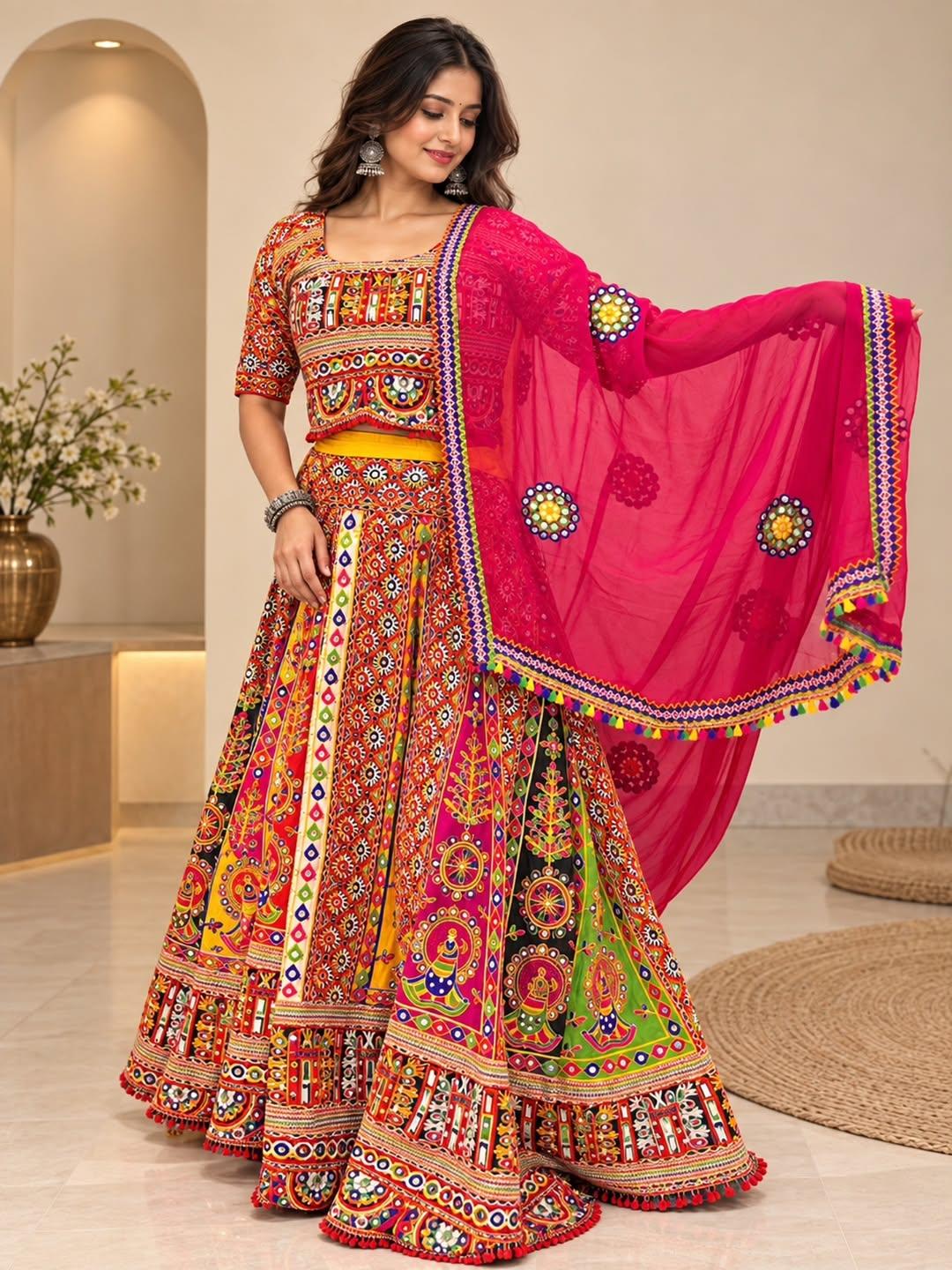
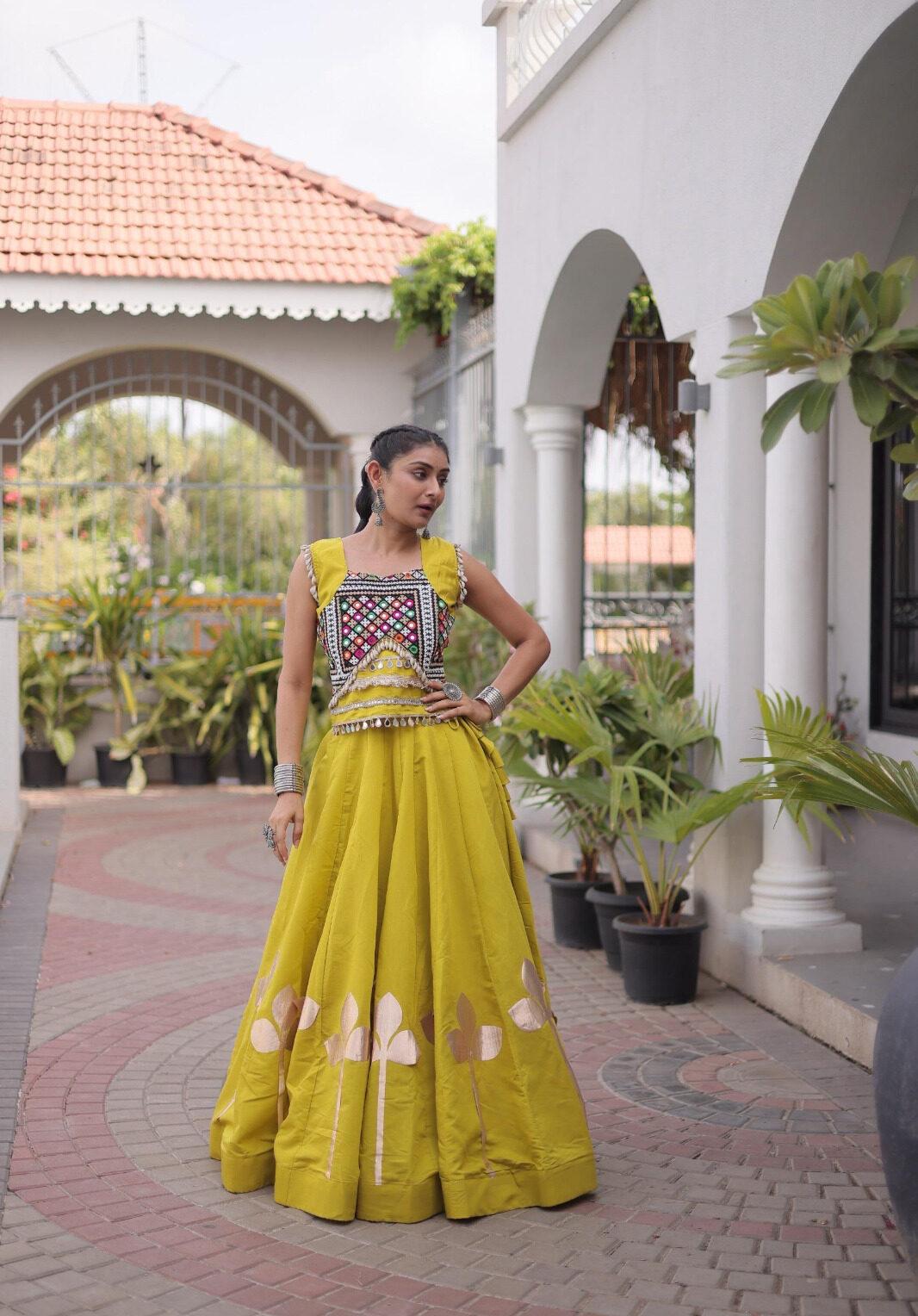
Once the cards are out, the outfits come next. At Haggler Studio in Shela we stitch blouses and cholis to your measurements, and alter what you have bought for the wedding.
Quick facts
- Place
- Ahmedabad and Gujarat
- Started from
- A Gujarati wedding custom kept for generations
- Made by
- Gujarati and Hindu families
- Worn now as
- Two-language cards: English plus Gujarati or Hindi
Questions people ask
What is a kankotri?
Kankotri is the Gujarati name for the wedding invitation card. The family sends it to relatives and friends with the dates, times and places of every wedding function.
What are the steps of kankotri printing?
Choose the design, fix the number of pages, write the wording in English and Gujarati or Hindi, let the family check names and spelling, check the tithi and the function timings, approve 3 to 4 proofs, and then the printer prints.
How long does kankotri printing take?
Printing usually takes 2 to 4 days after you approve the final proof. Choosing the design, writing the wording and checking the proofs take longer, so start well before the wedding.
Should a kankotri be in Gujarati or English?
Many families print both: English for friends and colleagues, and Gujarati or Hindi for elders and relatives. Some cards print the two languages on facing pages.
What mistakes should I check in a kankotri?
Names and relations, short and long vowel marks (hrasva and dirgha, like િ and ી or ુ and ૂ), dates, the tithi, function timings, venue names, addresses and phone numbers.
What is kankotri lekhan?
Kankotri lekhan is the custom of writing the first invitation, often for Lord Ganesh or the family deity, on an auspicious muhurat before the cards are sent to guests.
Where is kankotri printing done in Ahmedabad?
Many kankotri printers work in the old city, in areas like Khadia and Raipur, and there are printers across the city as well. Ask to see printed samples before you order.


Comments
Be the first to comment on this story.