In this story · 17 sections
- 1Navratri 2026 dates, goddess and colour for each day
- 2What is Navratri and why is it celebrated?
- 3How many Navratris are there in a year?
- 4Why does each day of Navratri have a colour?
- 5Day 1 of Navratri: Maa Shailaputri (Sunday 11 October, orange)
- 6Day 2 of Navratri: Maa Brahmacharini (Monday 12 October, white)
- 7Day 3 of Navratri: Maa Chandraghanta (Tuesday 13 October, red)
- 8Day 4 of Navratri: Maa Kushmanda (Wednesday 14 October, royal blue)
- 9Day 5 of Navratri: Maa Skandamata (Thursday 15 October, yellow)
- 10Day 6 of Navratri: Maa Katyayani (Friday 16 October, green)
- 11Day 7 of Navratri: Maa Kalaratri (Saturday 17 October, grey)
- 12Day 8 of Navratri (Ashtami): Maa Mahagauri (Sunday 18 October, purple)
- 13Day 9 of Navratri (Navami): Maa Siddhidatri (Monday 19 October, peacock green)
- 14Dussehra 2026: why Vijayadashami is celebrated (Tuesday 20 October)
- 15Where is Navratri celebrated the most?
- 16What do people do during Navratri?
- 17What to wear for Navratri 2026
Navratri means “nine nights”. For nine nights India prays to Maa Durga, one of her forms each night, and on the tenth day it celebrates Dussehra. In 2026, Sharad Navratri runs from Sunday 11 October to Monday 19 October, and Dussehra falls on Tuesday 20 October.
In Gujarati it is નવરાત્રી, in Hindi नवरात्रि. In Gujarat it means Garba until midnight; in Bengal it means Durga Puja; in Mysuru it means a royal procession. This guide covers each day: which goddess, her story, why she is worshipped, and the colour people wear.
Navratri 2026 dates, goddess and colour for each day
| Compared on | Date | Goddess | Colour |
|---|---|---|---|
| Day 1 | Sun 11 Oct | Maa Shailaputri | Orange |
| Day 2 | Mon 12 Oct | Maa Brahmacharini | White |
| Day 3 | Tue 13 Oct | Maa Chandraghanta | Red |
| Day 4 | Wed 14 Oct | Maa Kushmanda | Royal blue |
| Day 5 | Thu 15 Oct | Maa Skandamata | Yellow |
| Day 6 | Fri 16 Oct | Maa Katyayani | Green |
| Day 7 | Sat 17 Oct | Maa Kalaratri | Grey |
| Day 8 (Ashtami) | Sun 18 Oct | Maa Mahagauri | Purple |
| Day 9 (Navami) | Mon 19 Oct | Maa Siddhidatri | Peacock green |
| Day 10 (Dussehra) | Tue 20 Oct | Victory of good over evil | — |
What is Navratri and why is it celebrated?
The best-known story comes from the Devi Mahatmya, a text about 1,500 years old. A buffalo demon, Mahishasura, won a boon that no man or god could kill him. He drove the gods out of heaven. The gods joined their powers together, and from that light came Maa Durga, riding a lion and holding a weapon from each god. She fought Mahishasura for nine days and nights and killed him on the tenth. Navratri is those nine nights; Dussehra is the victory.
So the festival is about one idea, told many ways: good wins over evil, and courage wins over fear. Each night honours a different side of the same goddess: the daughter, the student, the warrior, the mother, the fierce protector and the giver of blessings.
How many Navratris are there in a year?
Four. Chaitra Navratri in spring (March or April) and Sharad Navratri in autumn (September or October) are the two most people keep. There are also two quieter Gupt Navratris, in Magh and Ashadh, kept mostly by those who follow special sadhana. When people simply say “Navratri”, they mean Sharad Navratri, the one with Garba and Durga Puja.
Why does each day of Navratri have a colour?
The day colours are a newer custom. They began in Maharashtra in the early 2000s and spread through newspapers, offices and now Instagram. The first colour follows the weekday Navratri starts on (Sunday is orange, Monday white, Tuesday red, and so on), so the order changes every year. They are not a scriptural rule, just a happy way for a whole city to dress together. Wear them if you like; your prayer counts either way.
Day 1 of Navratri: Maa Shailaputri (Sunday 11 October, orange)
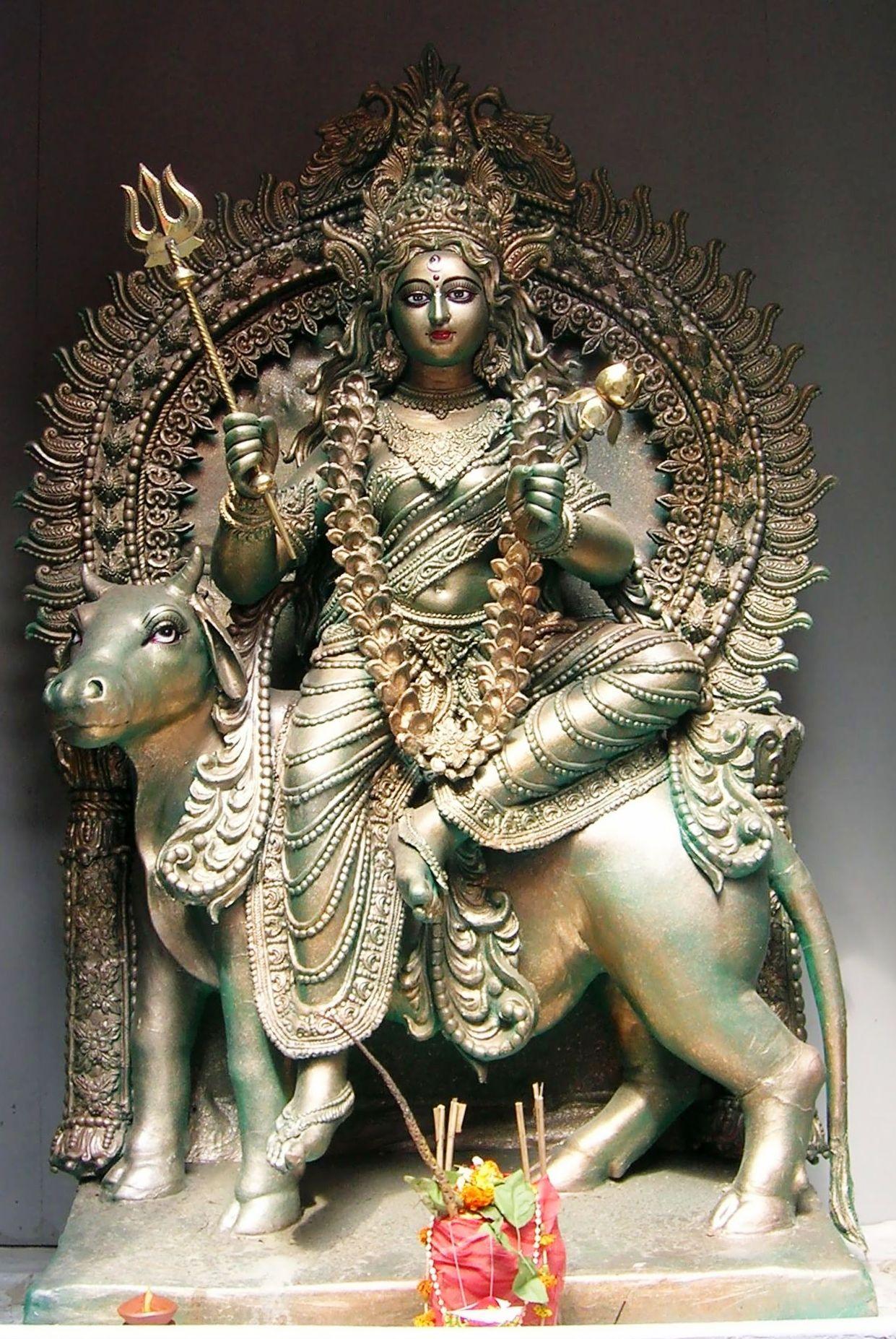
Shailaputri means “daughter of the mountain”. In her earlier life she was Sati, Lord Shiva’s wife, who gave up her life when her father Daksha insulted Shiva. She was born again as Parvati, daughter of Himavan, king of the Himalayas. She rides the bull Nandi and holds a trident and a lotus.
Why she comes first: she is the beginning, strong and steady like a mountain. On Day 1 families do ghatasthapana: a clay pot of water (the kalash) is set up, often with barley sown beside it, and a lamp is lit that many keep burning for all nine days.
Colour: orange, for energy and a warm start.
Day 2 of Navratri: Maa Brahmacharini (Monday 12 October, white)
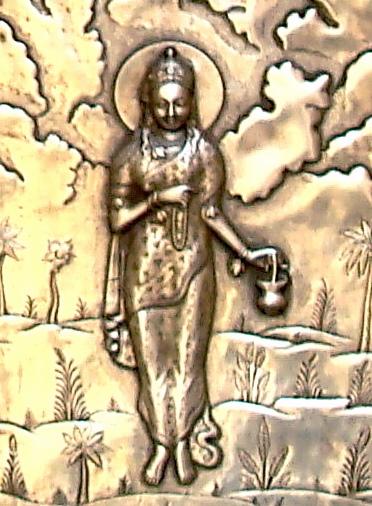
Brahmacharini is Parvati as a young woman doing tapasya, deep prayer, to win Lord Shiva as her husband. The stories say she lived on fruit, then leaves, then nothing at all, for thousands of years. She walks barefoot, holding a japa mala (prayer beads) and a kamandalu (water pot).
Why she is worshipped: for patience and self-control. She is the goddess of students and anyone working hard towards something.
Colour: white, for peace and a calm mind.
Day 3 of Navratri: Maa Chandraghanta (Tuesday 13 October, red)
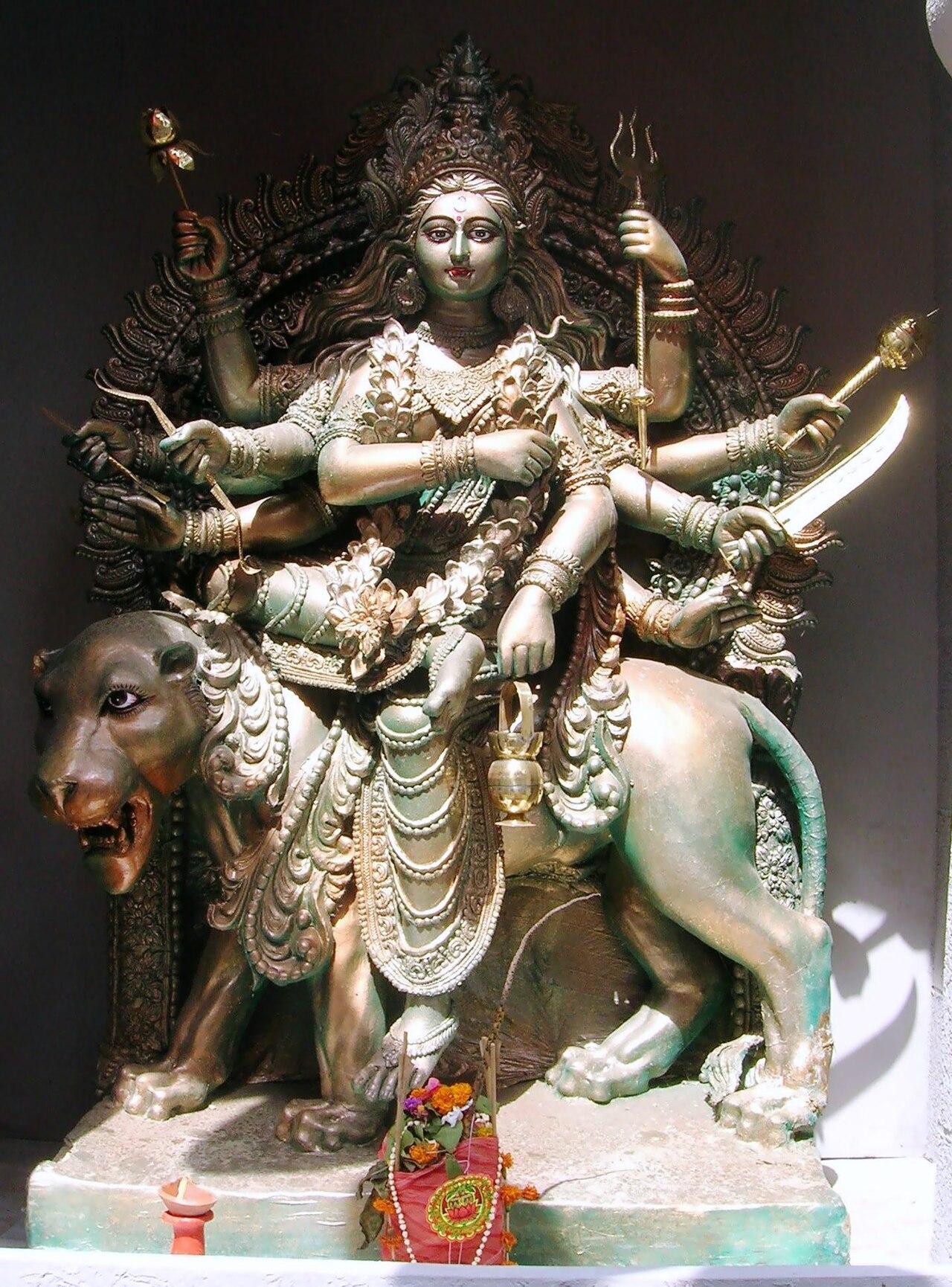
After her marriage to Shiva, Parvati wore a half moon (chandra) shaped like a bell (ghanta) on her forehead, which gives her this name. She rides a tiger and has ten arms full of weapons. The stories say the sound of her bell drives demons away.
Why she is worshipped: for courage. She is calm, but ready to fight for those who pray to her.
Colour: red, for strength, love and bravery. Red is also the colour of the chunari offered to the goddess.
Day 4 of Navratri: Maa Kushmanda (Wednesday 14 October, royal blue)
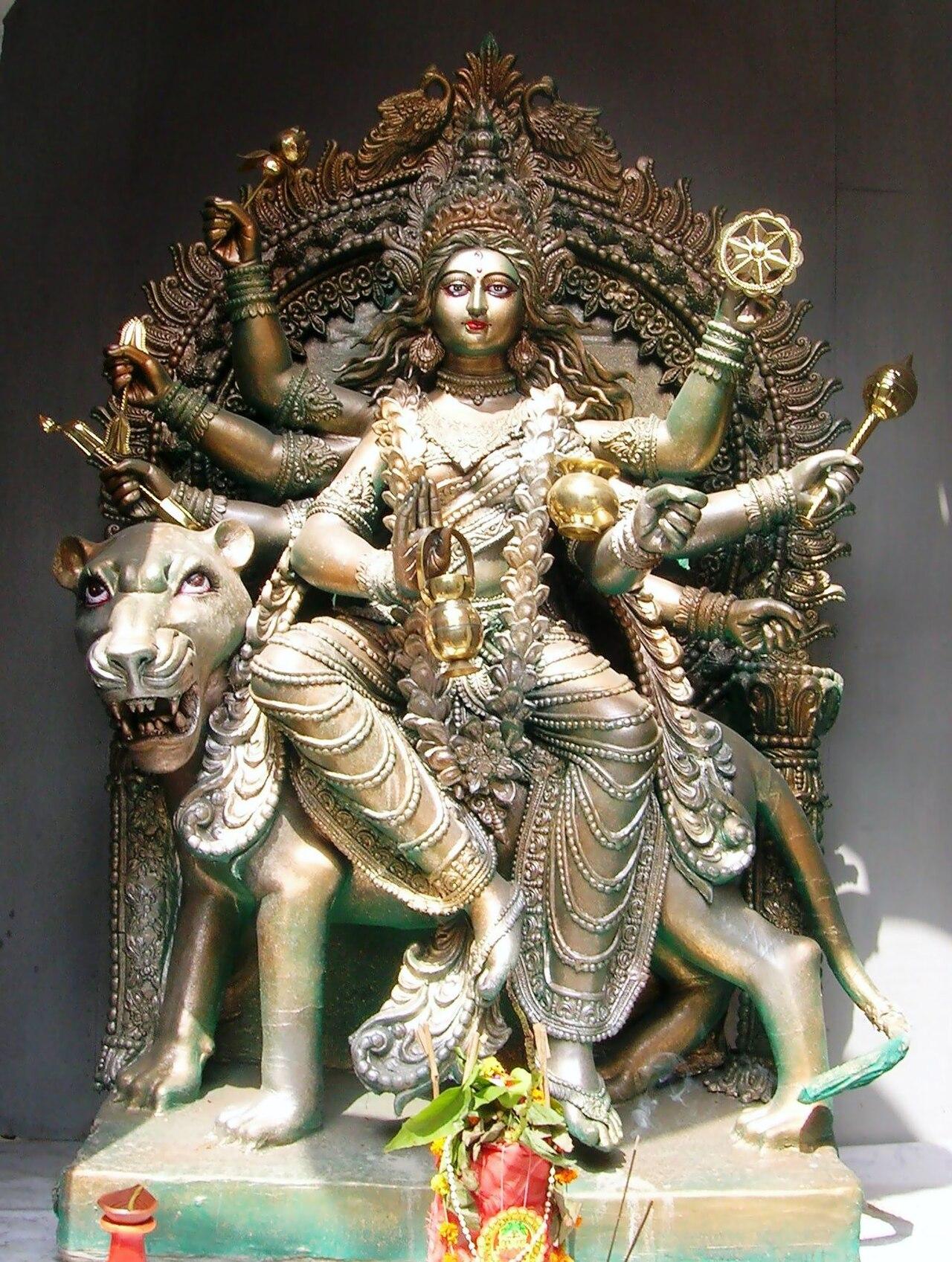
Before the universe existed there was only darkness. The stories say Kushmanda smiled, and her smile made the cosmic egg (anda) from which everything was born. She is said to live inside the sun and give it its light. She has eight arms, so she is also called Ashtabhuja Devi.
Why she is worshipped: for health, energy and a fresh start. Pumpkin (kushmanda in Sanskrit) is a traditional offering to her.
Colour: royal blue, for depth and calm power.
Day 5 of Navratri: Maa Skandamata (Thursday 15 October, yellow)
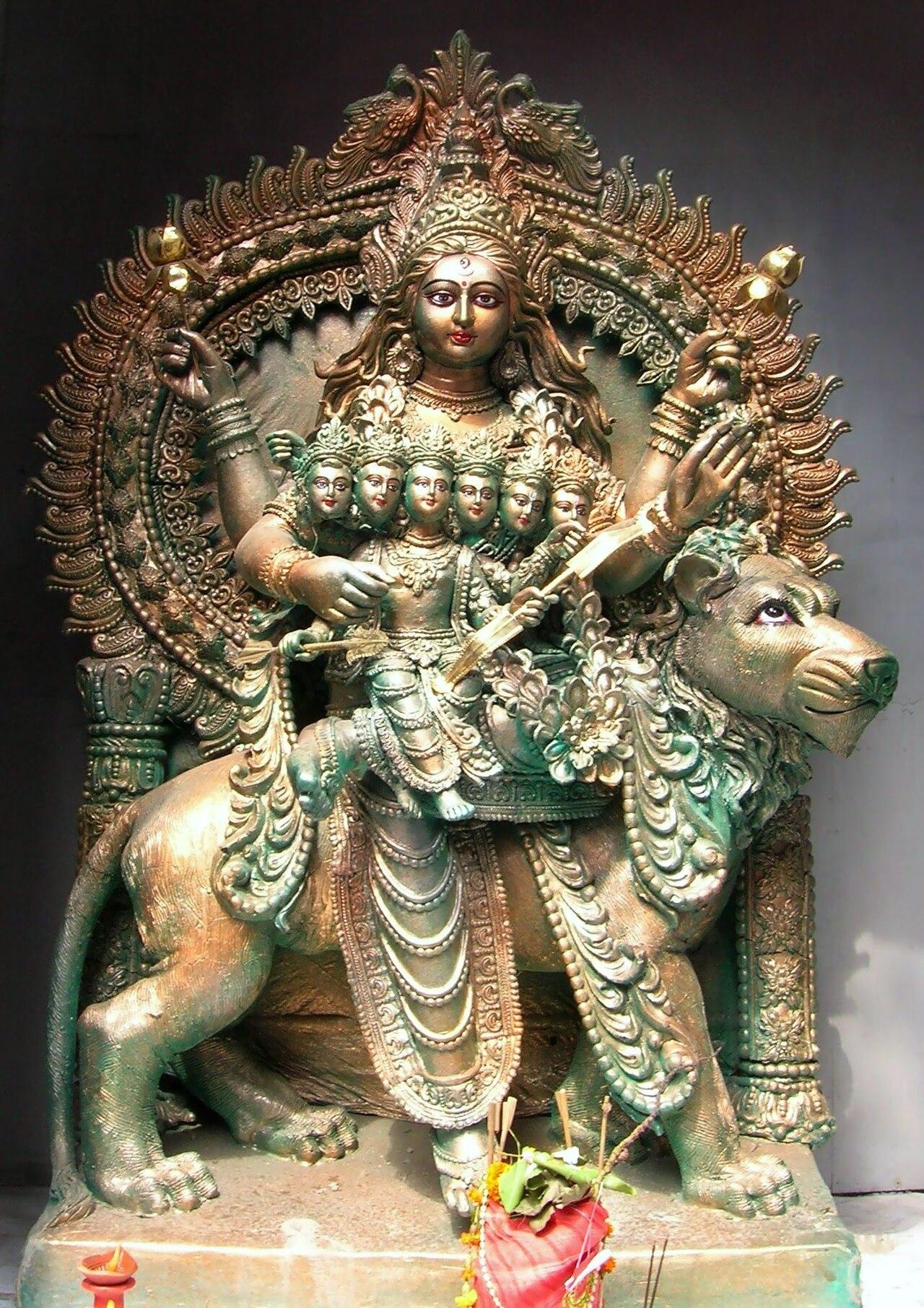
Skandamata is the mother (mata) of Skanda, also called Kartikeya or Murugan, the commander of the gods’ army. Only Shiva’s son could defeat the demon Tarakasura, and Skanda did. She is shown sitting on a lotus with baby Skanda on her lap, and she rides a lion.
Why she is worshipped: for a mother’s love and protection. Worshipping her is said to bless the child too.
Colour: yellow, for happiness and brightness.
Day 6 of Navratri: Maa Katyayani (Friday 16 October, green)
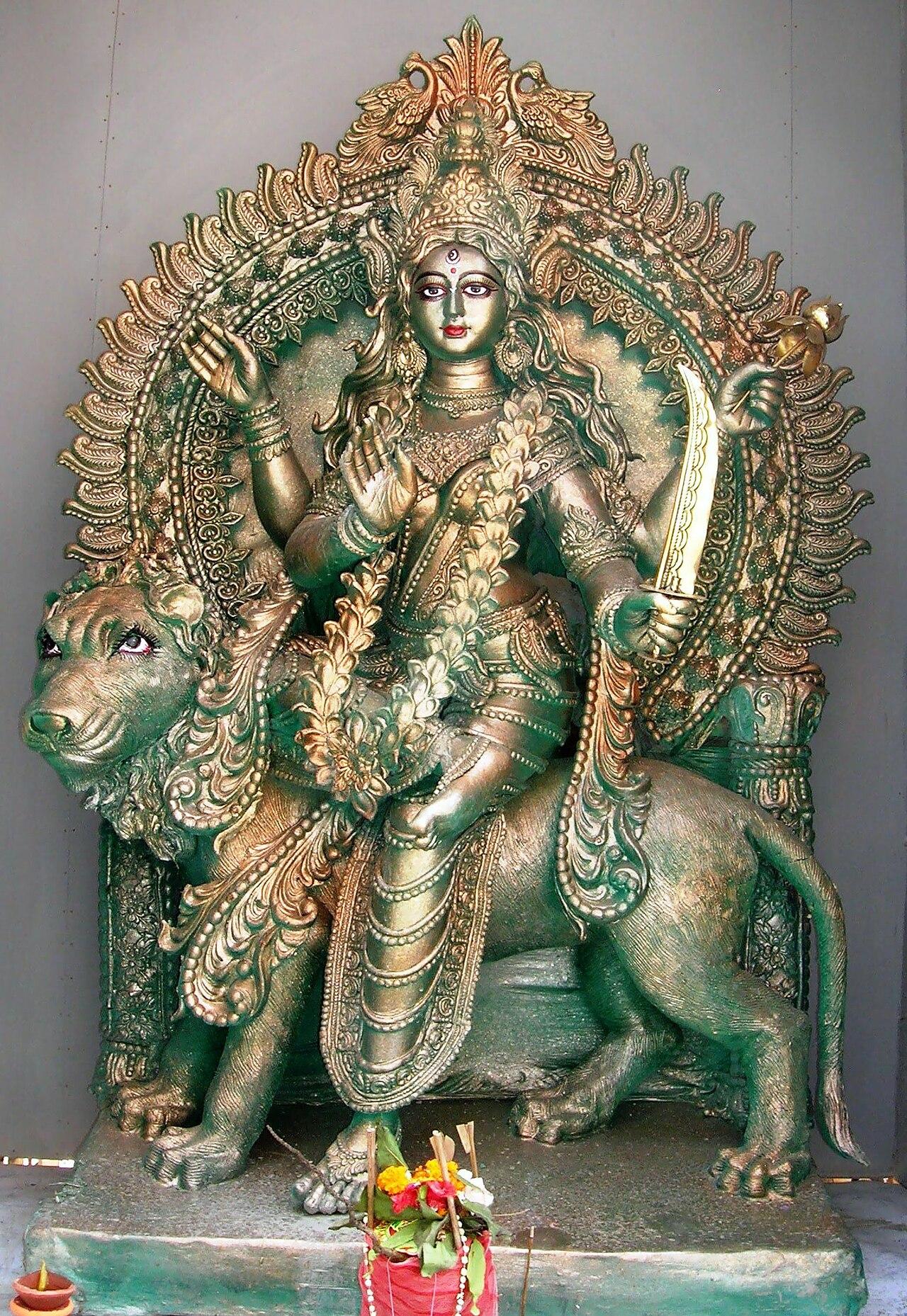
The sage Katyayana prayed for the goddess to be born as his daughter, so she is called Katyayani. In many tellings this is the warrior form that killed Mahishasura. In the Bhagavata Purana, the gopis of Vrindavan prayed to Katyayani for a whole month to have Lord Krishna as their husband, which is why young women still pray to her for a good marriage.
Why she is worshipped: for strength, and for removing obstacles to marriage.
Colour: green, for growth, new beginnings and nature.
Day 7 of Navratri: Maa Kalaratri (Saturday 17 October, grey)
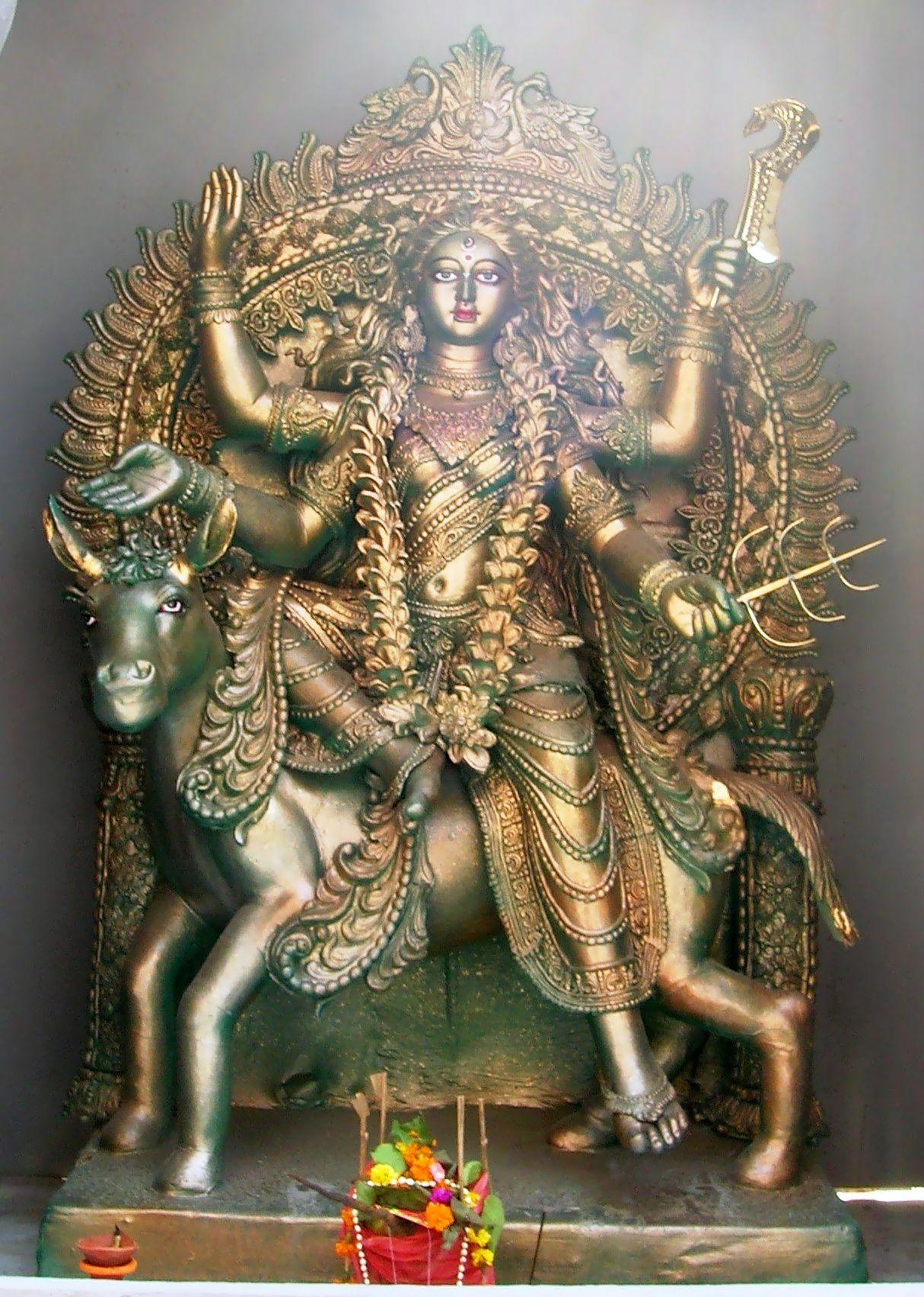
Kalaratri is the darkest and fiercest form: dark skin, open hair, a necklace that flashes like lightning, riding a donkey. In many tellings she is the form that fought the demon Raktabija, who could grow a new demon from every drop of his blood that fell to the ground. She stopped every drop from falling and ended him.
Why she is worshipped: she looks frightening, but she frightens only evil. She is also called Shubhankari, the one who does good, because she removes fear and darkness from her devotees.
Colour: grey, for balance and steadiness.
Day 8 of Navratri (Ashtami): Maa Mahagauri (Sunday 18 October, purple)
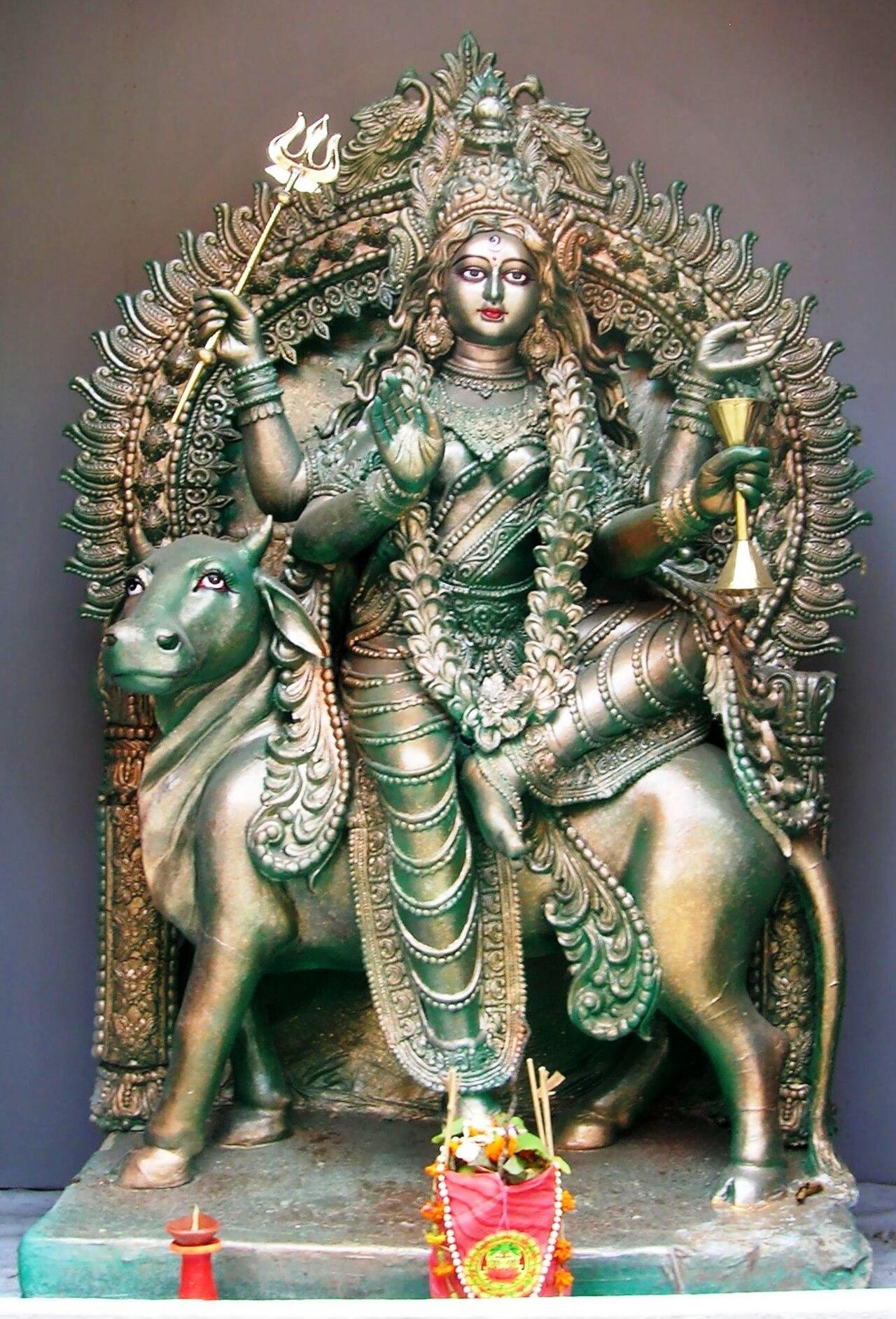
During her long tapasya, Parvati’s skin became dark with dust and sun. When Shiva accepted her, he washed her with water from the Ganga and she shone white, Maha Gauri, “the very fair one”. She wears white, rides a white bull, and holds a trident and a damru.
Why she is worshipped: for purity and forgiveness. Durga Ashtami is one of the biggest days of Navratri. Many families do kanya puja (kanjak) today or on Navami: they invite nine young girls home, wash their feet, and feed them puri, chana and halwa, honouring them as the goddess.
Colour: purple, for dignity and ambition.
Day 9 of Navratri (Navami): Maa Siddhidatri (Monday 19 October, peacock green)
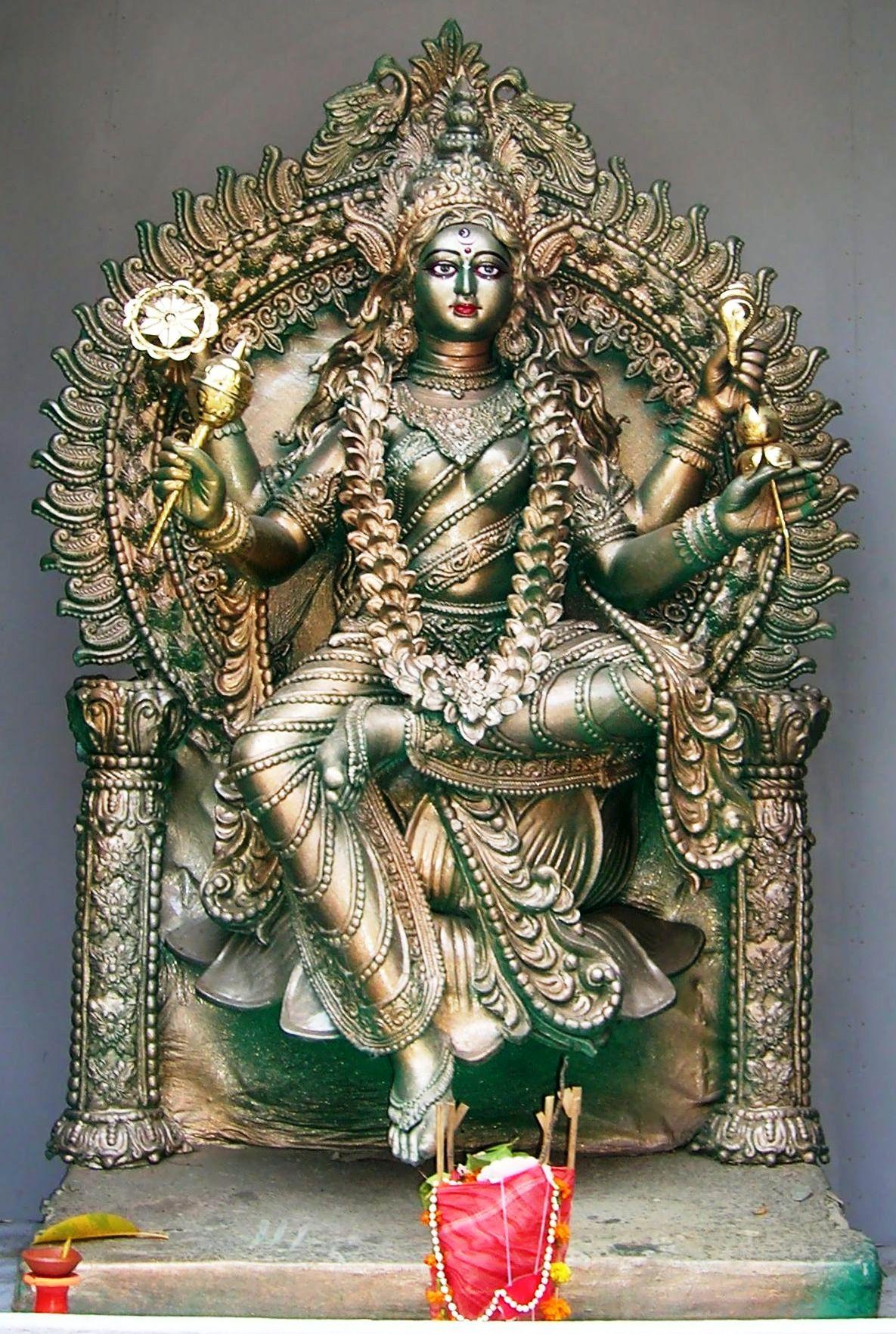
Siddhidatri is the giver (datri) of siddhis, spiritual powers and wisdom. The stories say Lord Shiva himself received his powers by praying to her, and that half his body became hers, the form called Ardhanarishvara. She sits on a lotus, rides a lion, and is worshipped by gods, sages and humans alike.
Why she is worshipped: she completes the journey of nine days and fulfils the wishes of devotees. In the south, Navami is also Ayudha Puja, when people clean and worship their tools, vehicles and books.
Colour: peacock green, for kindness and uniqueness.
Dussehra 2026: why Vijayadashami is celebrated (Tuesday 20 October)
Dussehra, or Vijayadashami, is the tenth day: the day of victory (vijaya). It celebrates two victories:
- Lord Rama killed the ten-headed Ravana and brought Sita home, as told in the Ramayana. In many tellings Rama prayed to Maa Durga before the battle.
- Maa Durga killed Mahishasura after nine days of fighting.
How it is celebrated:
- In the north, Ramlila plays end with huge effigies of Ravana, Meghnad and Kumbhkaran burned at sunset.
- In Bengal, the Durga idols are carried to the river for visarjan, and married women play sindoor khela, smearing vermilion on each other.
- In Maharashtra and the south, people exchange shami or apta leaves as “gold” and wish each other well.
- In Gujarat, Dussehra morning means one thing: fafda and jalebi, bought in huge queues before breakfast.
Dussehra also starts the countdown to Diwali, which comes about twenty days later.
Where is Navratri celebrated the most?
Navratri is kept all over India, but a few places are famous for it:
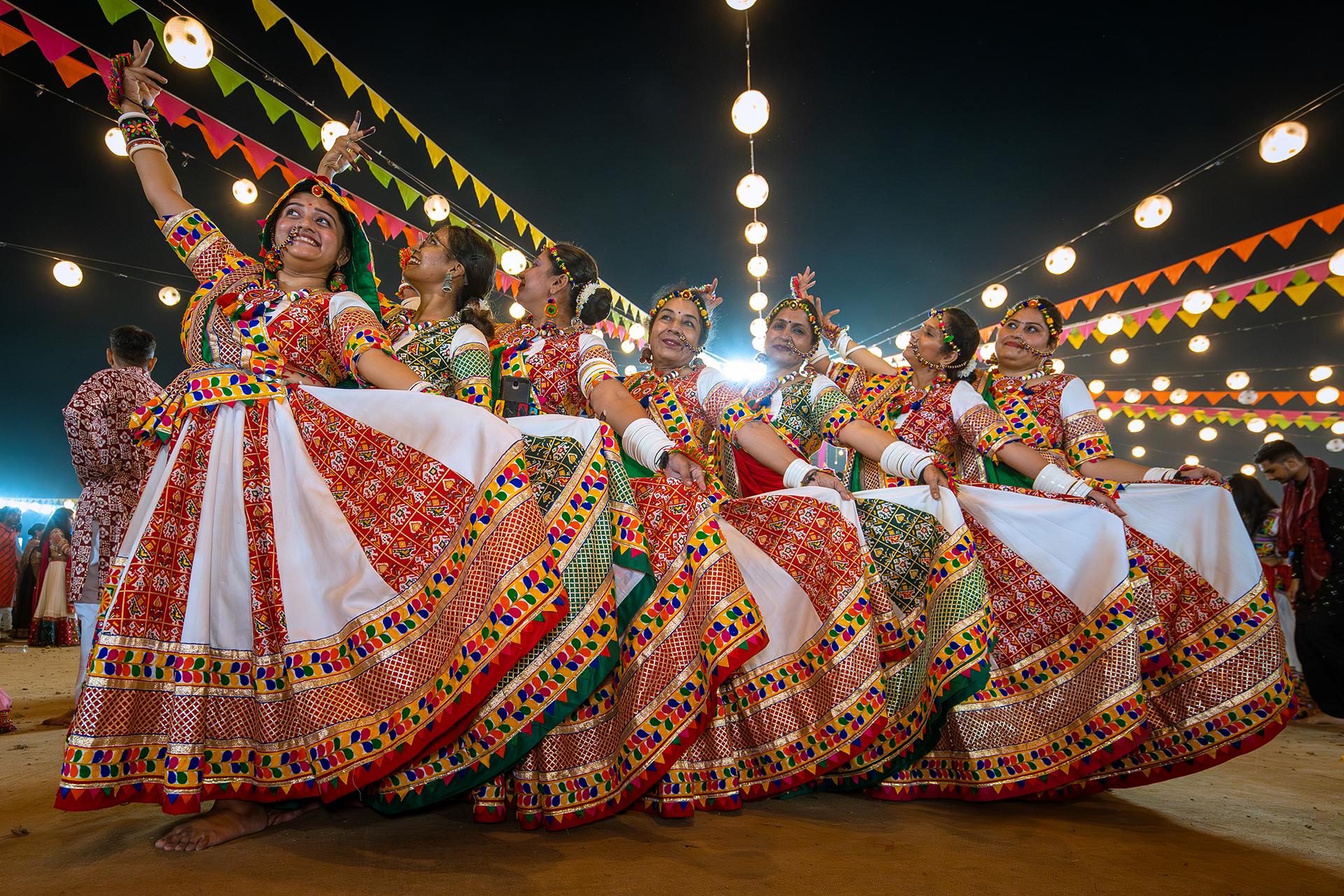
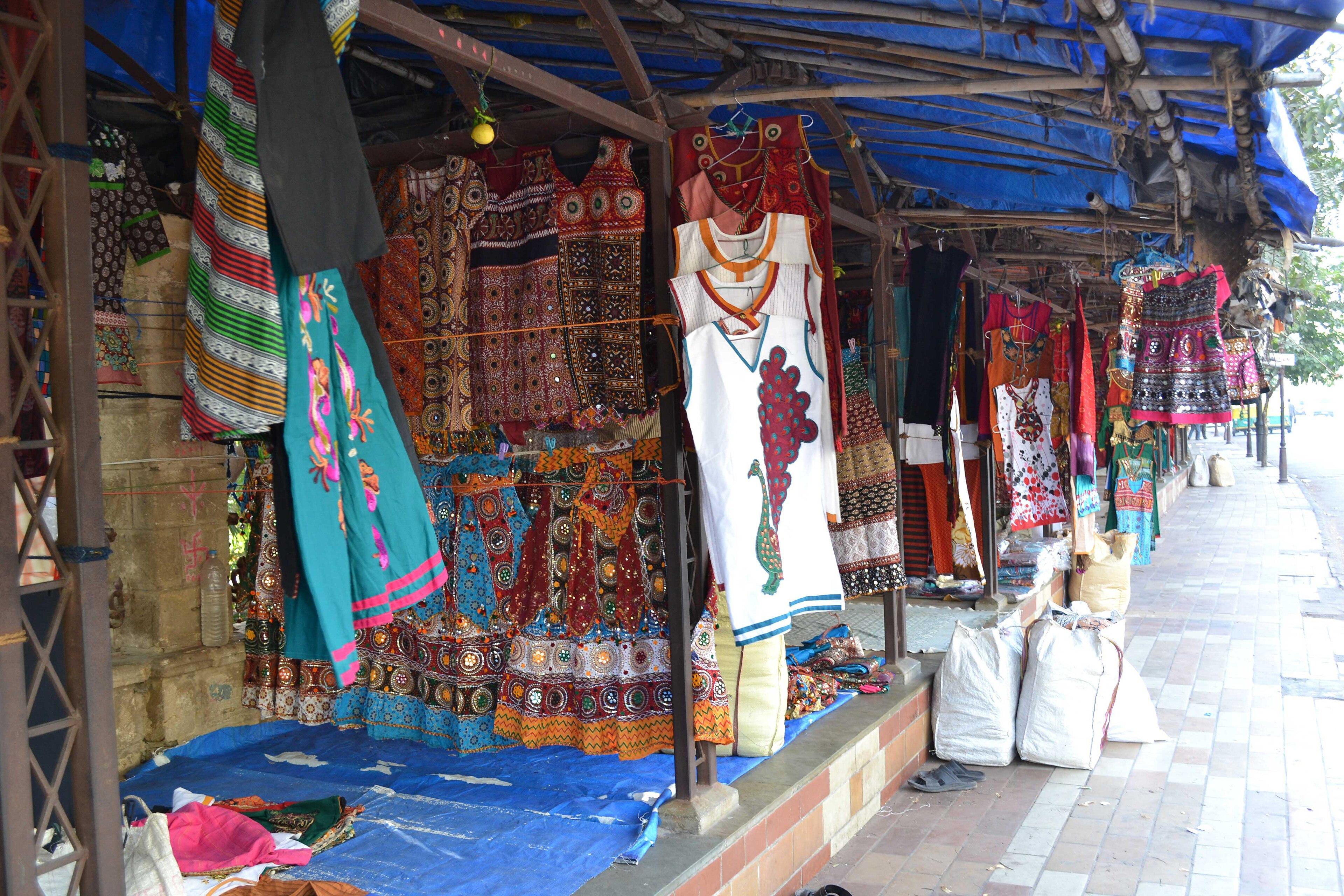
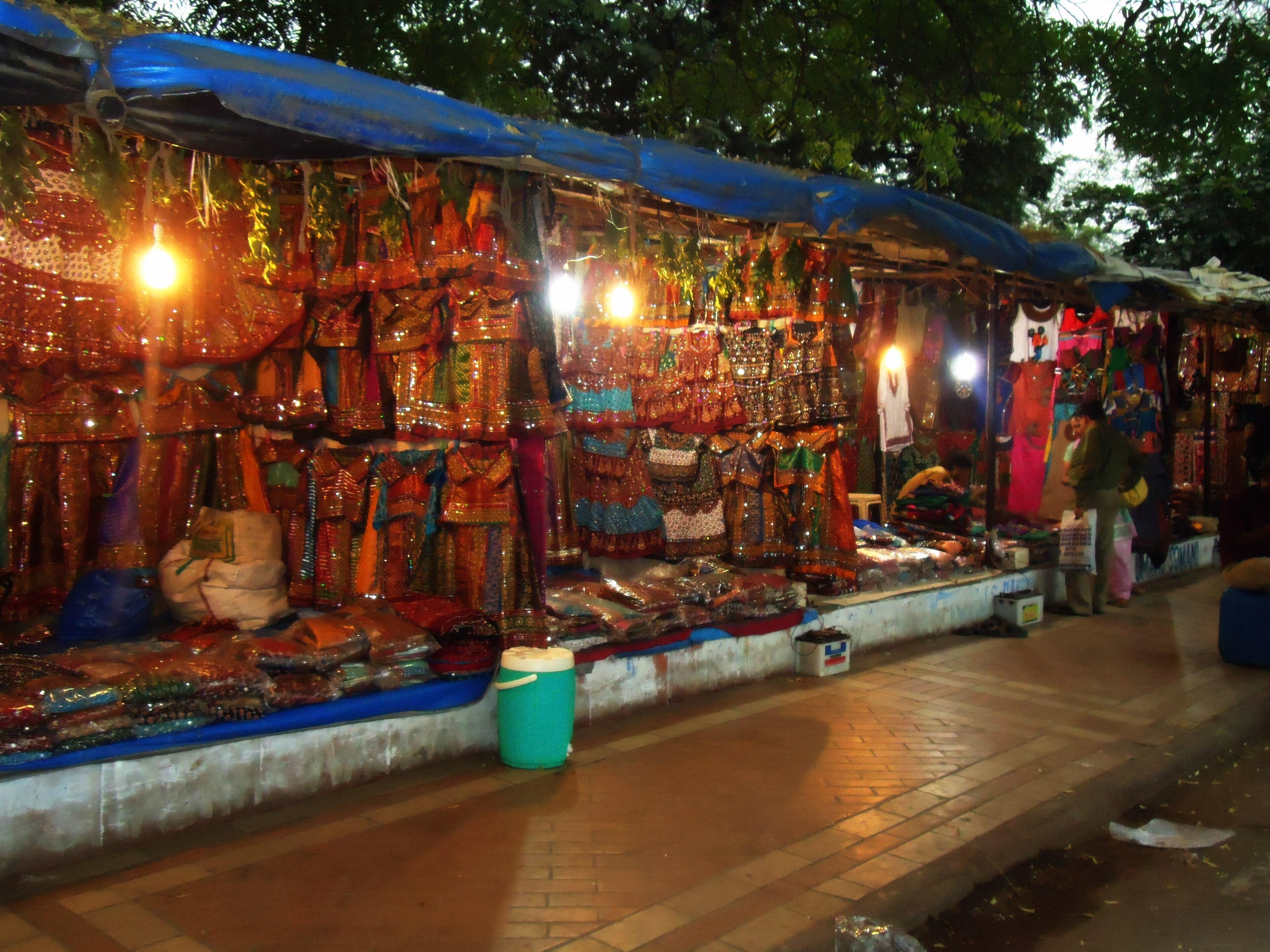
- Gujarat: nine nights of Garba and Dandiya Raas, from society grounds to huge stadium events in Ahmedabad and Vadodara. Women dance in chaniya choli, men in kediyu, all around a lamp or an image of the goddess. Garba was added to UNESCO’s list of Intangible Cultural Heritage in 2023.
- West Bengal: Durga Puja, with themed pandals all over Kolkata, dhunuchi dance and bhog. Durga Puja in Kolkata joined the UNESCO list in 2021.
- Karnataka: Mysuru Dasara, the state festival, with the palace lit by about a hundred thousand bulbs and the Jamboo Savari elephant procession on Vijayadashami.
- Himachal Pradesh: Kullu Dussehra, which starts on Vijayadashami and runs for a week, with hundreds of village deities carried into the Dhalpur ground.
- Uttar Pradesh, Delhi and the north: Ramlila, the acting out of the Ramayana over the nine nights. Ramlila is also on the UNESCO list.
- Tamil Nadu, Karnataka and Andhra Pradesh: Golu (Bommai Kolu), steps of dolls of gods and everyday life, with women visiting each other’s homes.
- Telangana: Bathukamma, a flower festival where women stack flowers into towers and dance around them.
- Chhattisgarh: Bastar Dussehra, kept for about 75 days, among the longest festivals in the world.
- Nepal: Dashain, the biggest festival of the year, when elders put tika and jamara on younger family members.
What do people do during Navratri?
- Fast: many eat one meal a day or only fruit, milk, sabudana, kuttu or rajgira, with sendha namak instead of regular salt.
- Pray: morning and evening aarti, and reading the Durga Saptashati.
- Dance: Garba and Dandiya, especially in Gujarat and wherever Gujaratis live.
- Dress up: new clothes, often in the colour of the day. In Gujarat that means a chaniya choli for each night.
What to wear for Navratri 2026
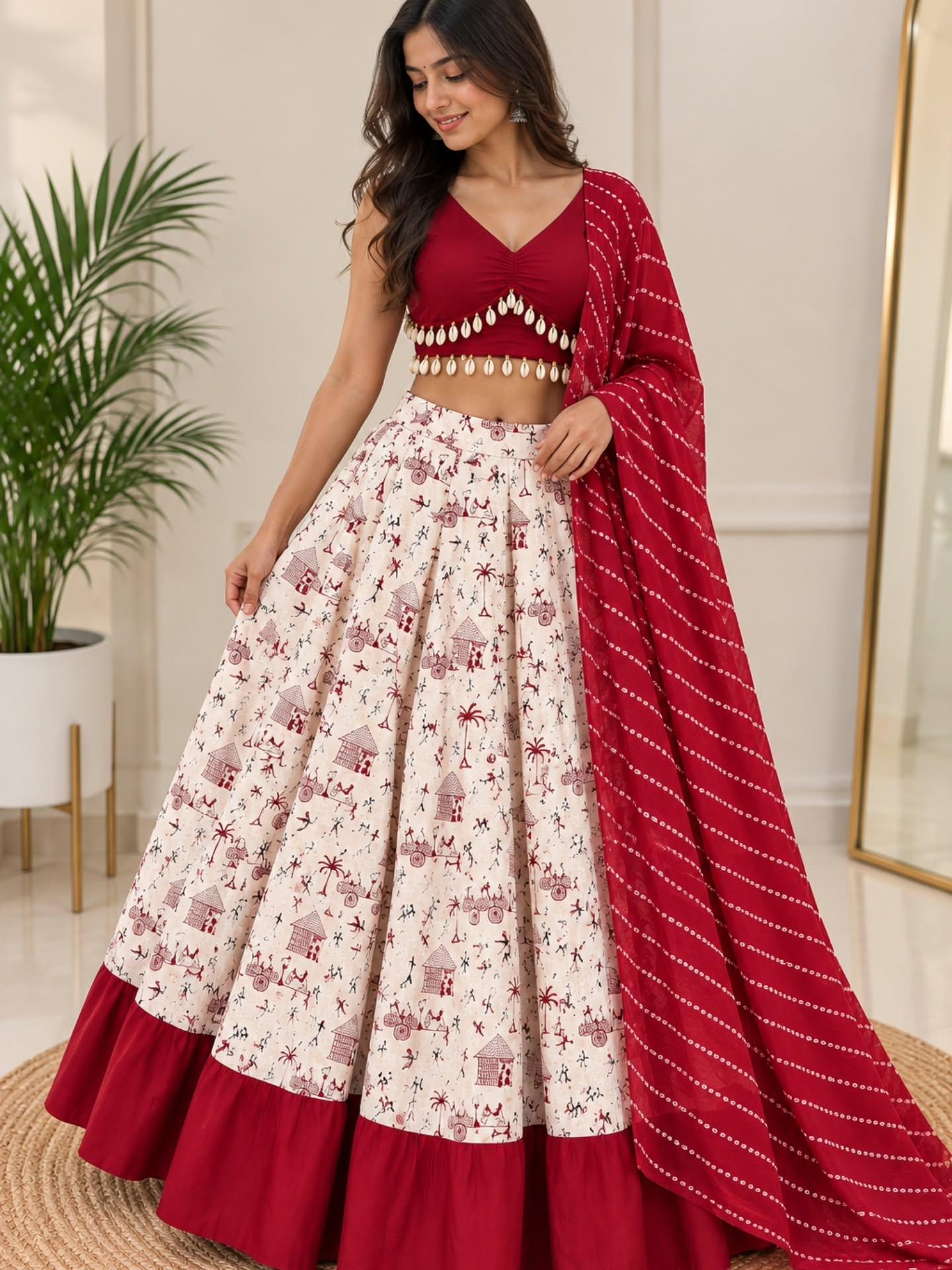
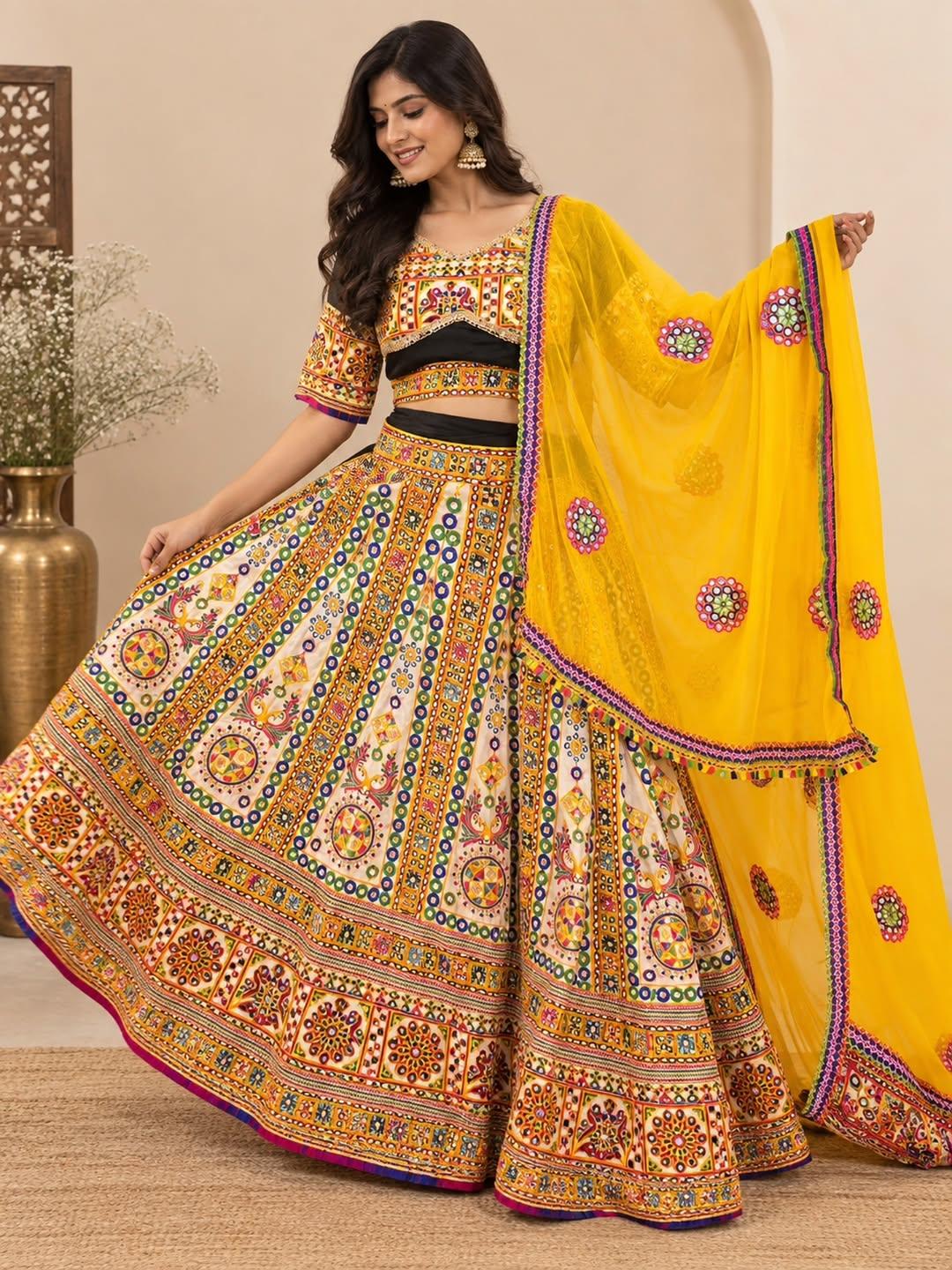
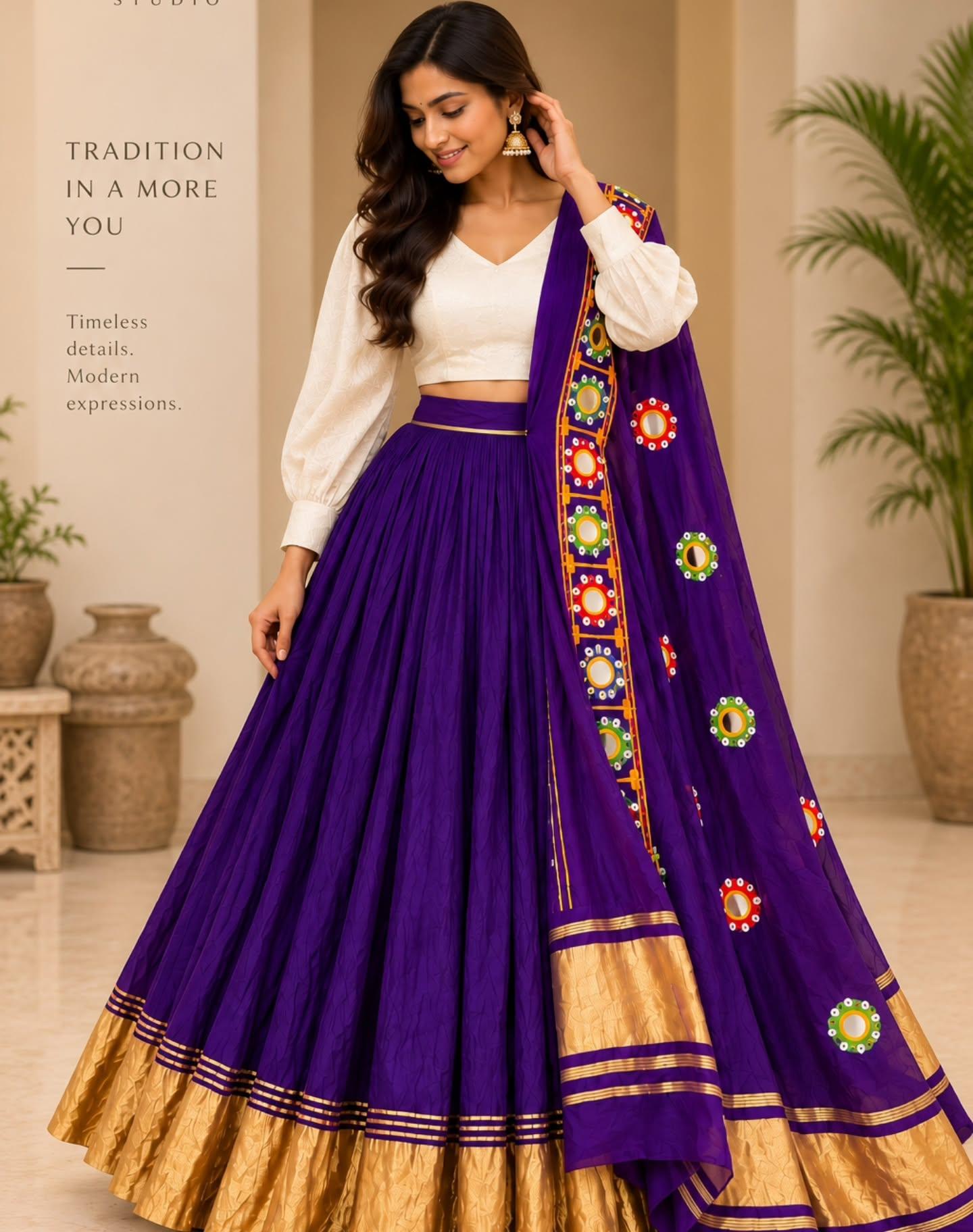
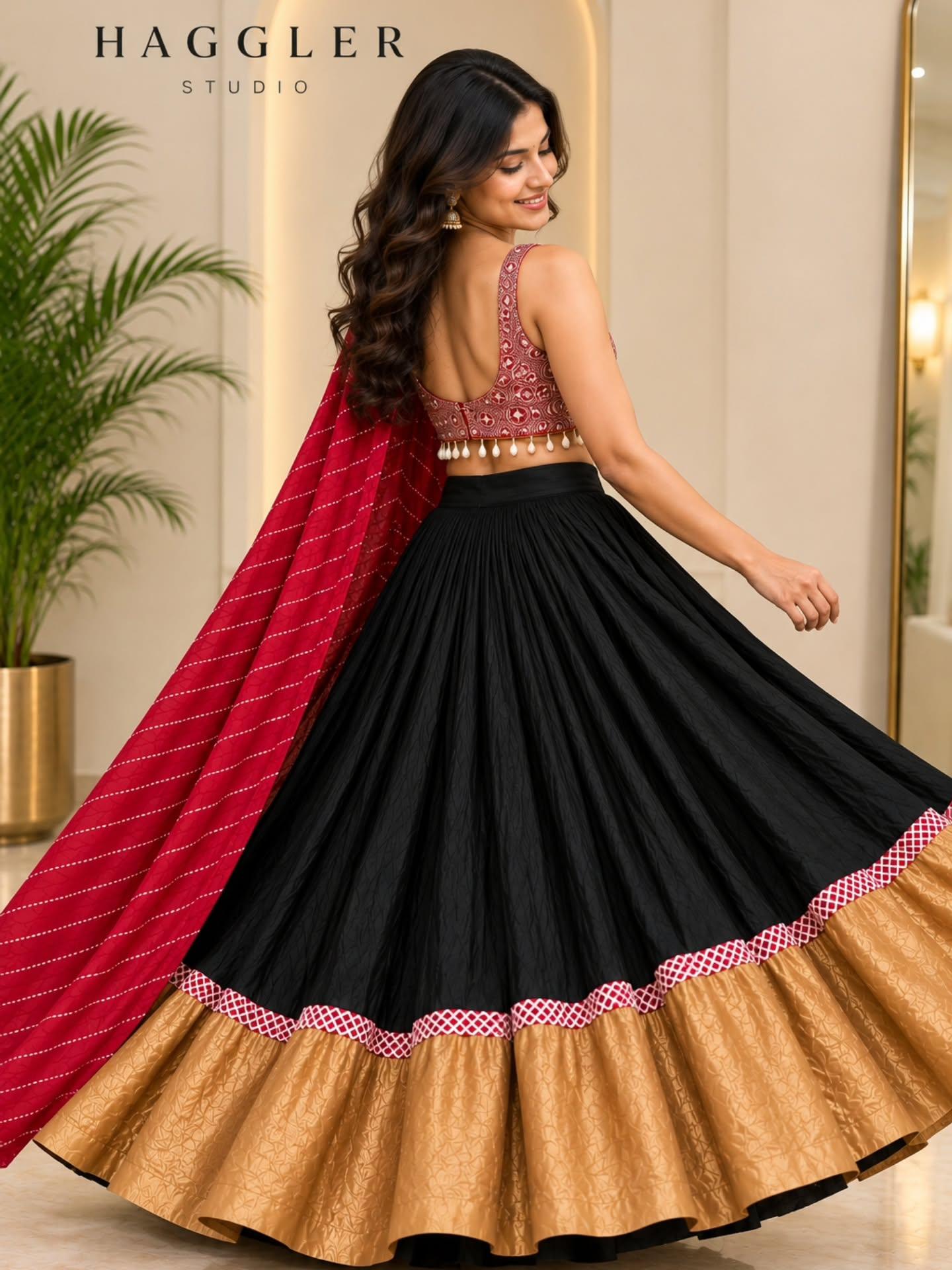
If you are dancing Garba, choose a chaniya choli with a full flare that is light enough to move in for hours, and a choli that lets you lift your arms. If you are following the colours, a piece in one strong colour with a contrast dupatta covers more than one night. Our Navratri chaniya choli collection is stitched for exactly this. For the difference between a chaniya choli, a lehenga and a ghagra, read Chaniya Choli vs Lehenga vs Ghagra, and to know your mirror work from your gota, read about Kutchi embroidery and gota patti.
Shubh Navratri, and Jai Mata Di.
Quick facts
- Place
- All India
- Started from
- Kept for centuries; told in the Devi Mahatmya (about 1,500 years old)
- Made by
- Hindus across India and Nepal
- Worn now as
- Garba in Gujarat, Durga Puja in Bengal, Ramlila in the north, Golu in the south
Questions people ask
When is Navratri 2026?
Sharad Navratri 2026 begins on Sunday 11 October and ends on Monday 19 October. Dussehra, also called Vijayadashami, is on Tuesday 20 October.
What are the 9 colours of Navratri 2026?
Orange (11 Oct), white (12 Oct), red (13 Oct), royal blue (14 Oct), yellow (15 Oct), green (16 Oct), grey (17 Oct), purple (18 Oct) and peacock green (19 Oct). The first colour follows the weekday Navratri starts on, so the list changes every year.
Which goddess is worshipped on each day of Navratri?
Day 1 Shailaputri, Day 2 Brahmacharini, Day 3 Chandraghanta, Day 4 Kushmanda, Day 5 Skandamata, Day 6 Katyayani, Day 7 Kalaratri, Day 8 Mahagauri and Day 9 Siddhidatri. Together they are called the Navadurga, the nine forms of Maa Durga.
Why is Navratri celebrated?
To honour Maa Durga and her victory over the buffalo demon Mahishasura, which stands for good winning over evil. In the north it also leads up to Lord Rama’s victory over Ravana, celebrated on Dussehra.
Why is Dussehra celebrated after Navratri?
Dussehra marks two victories: Lord Rama defeating Ravana, and Maa Durga defeating Mahishasura after nine nights of battle. That is why it is also called Vijayadashami, the tenth day of victory.
Where is Navratri celebrated the most?
Gujarat, for nine nights of Garba and Dandiya; West Bengal, for Durga Puja; Karnataka, for Mysuru Dasara; Himachal Pradesh, for Kullu Dussehra; the north, for Ramlila; and the south, for Golu doll displays. Nepal celebrates it as Dashain.
Are the Navratri colours compulsory?
No. The day colours are a newer custom that began in Maharashtra in the early 2000s and spread through newspapers and social media. They are a joyful way to dress together, not a religious rule.
Comments
Be the first to comment on this story.